Identifying where the breath mechanic and grief narrative broke down in a 3D adventure game about loss
UX Consultant · May 2024–Aug 2025 · Available on Steam
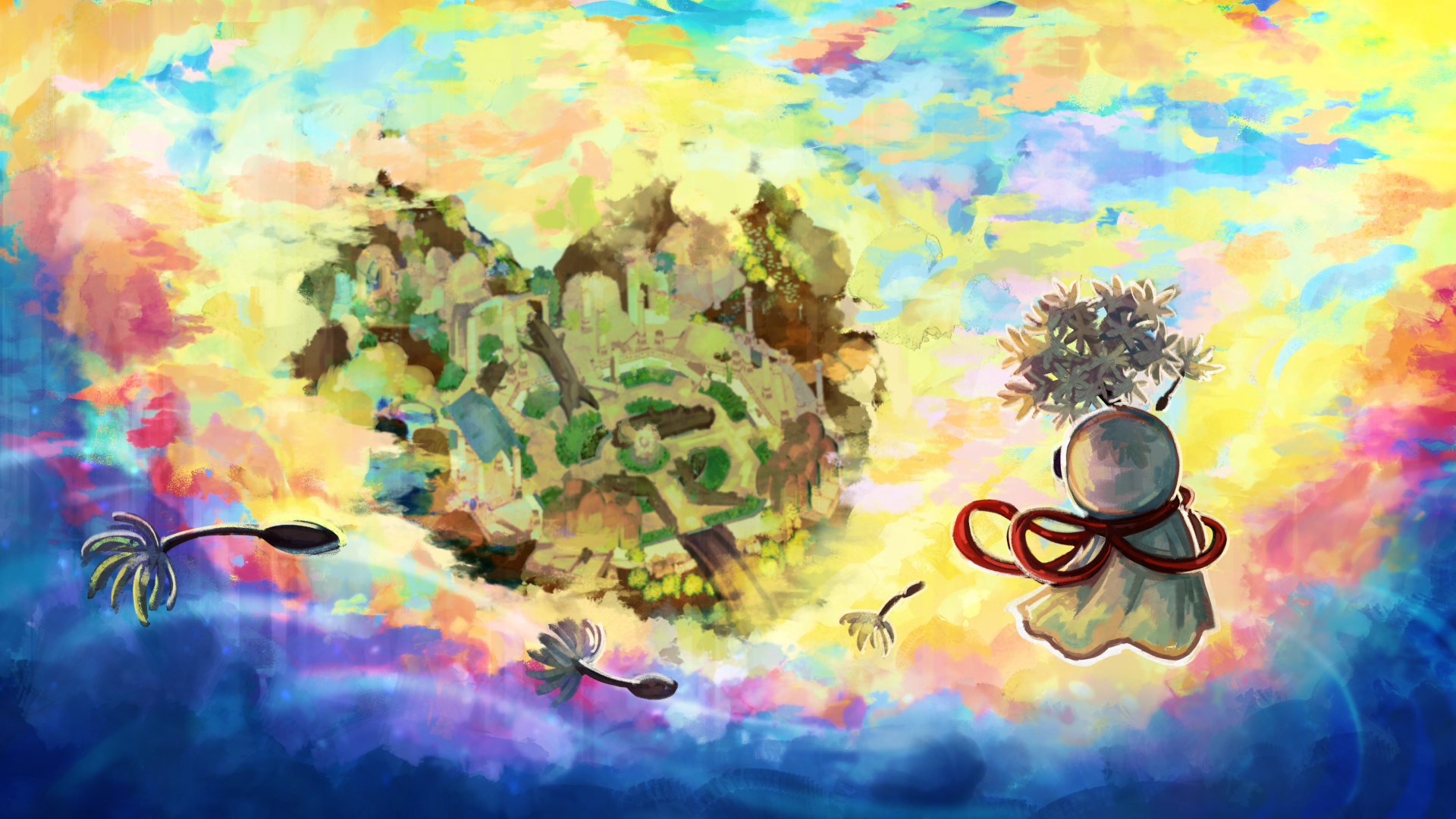
The Wind and The Wisp follows two best friends. The Wisp, a ghost who has awakened in a ruined garden, must explore the world to find flowers that each represent a stage of grief, bringing them back to restore the garden and repair their best friend's heart. Players take on both roles at once: controlling the Wisp through WASD or a controller, and embodying the best friend by blowing into the microphone. As each stage of grief is resolved, the garden transforms from ruined desolation to flowering beauty.
UX advisor and usability/QA tester, stepping in during the vertical slice when a schedule conflict left the role open. I ran playtest sessions on the team's core mechanics, observed where players got stuck or confused, and reported findings back to the team with suggested fixes where I could.
The player controls two characters simultaneously: the Wisp through WASD or a controller, and the best friend through the microphone. Blowing into the mic creates wind that solves traversal puzzles and uncovers flowers tied to each stage of grief. This dual-input mechanic created a unique usability challenge: validating an input method most players have never encountered, one that is also the emotional core of the experience.
Testing a novel mechanic during the vertical slice
The microphone mechanic was the core design bet of the game. Most players had never controlled a game with their breath before. Playtesting had to answer a fundamental question before it was too late to change: does this mechanic feel intuitive enough to work, or does it create a barrier that pulls players out of the experience?
What playtesting surfaced
Sessions surfaced a handful of recurring problems with the breath mechanic and its onboarding. I reported each of these back to the team, with suggested fixes where I had them, and most shaped design decisions ahead of the vertical slice deadline.
From the game and the testing process
A mix of in-game environments and the settings/calibration screens that came up directly in testing.
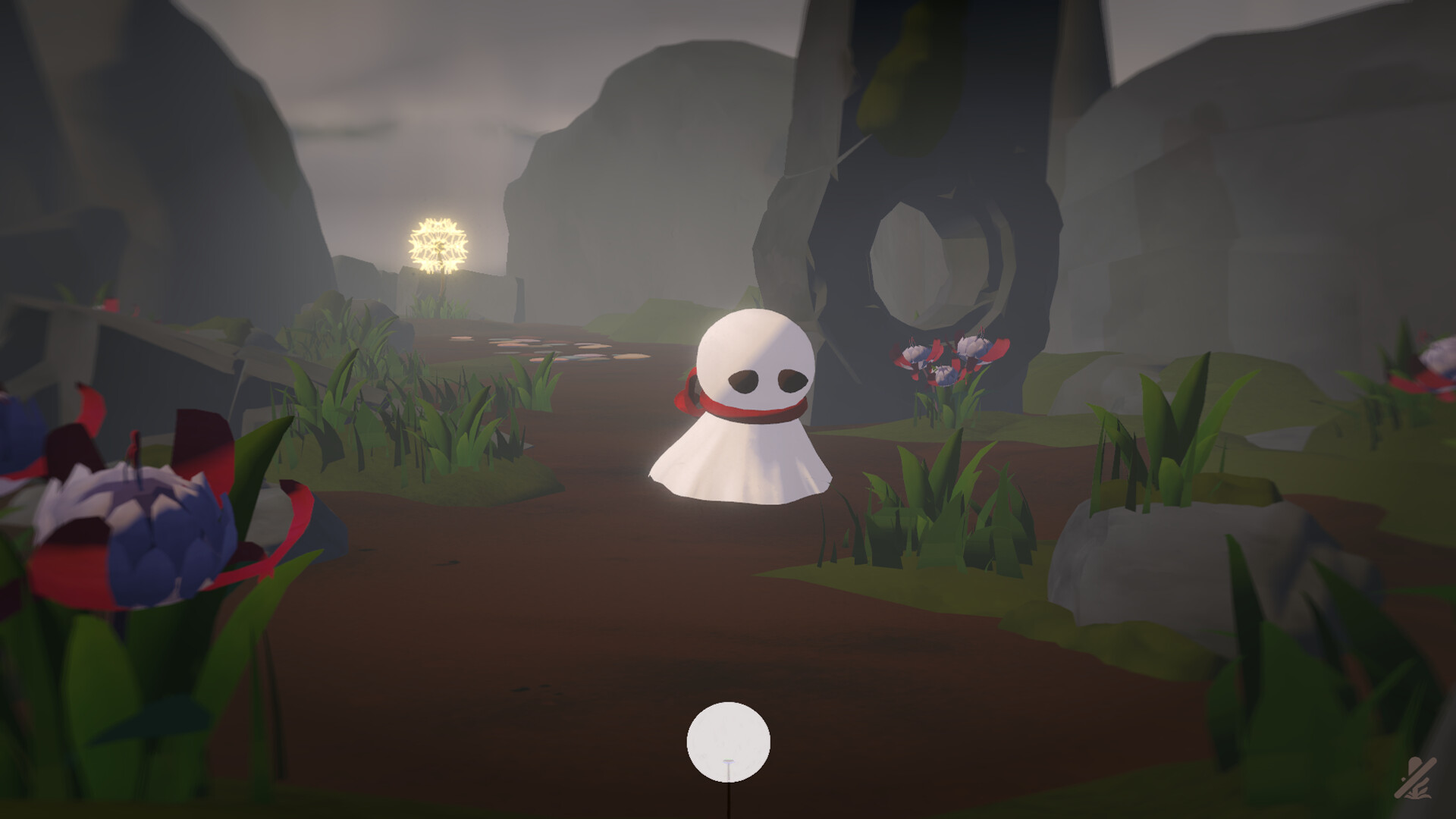
The Wisp navigating a foggy, ruined stretch of the garden toward a glowing dandelion. The game leans on quiet environmental moments like this one to carry its tone, rather than dialogue.
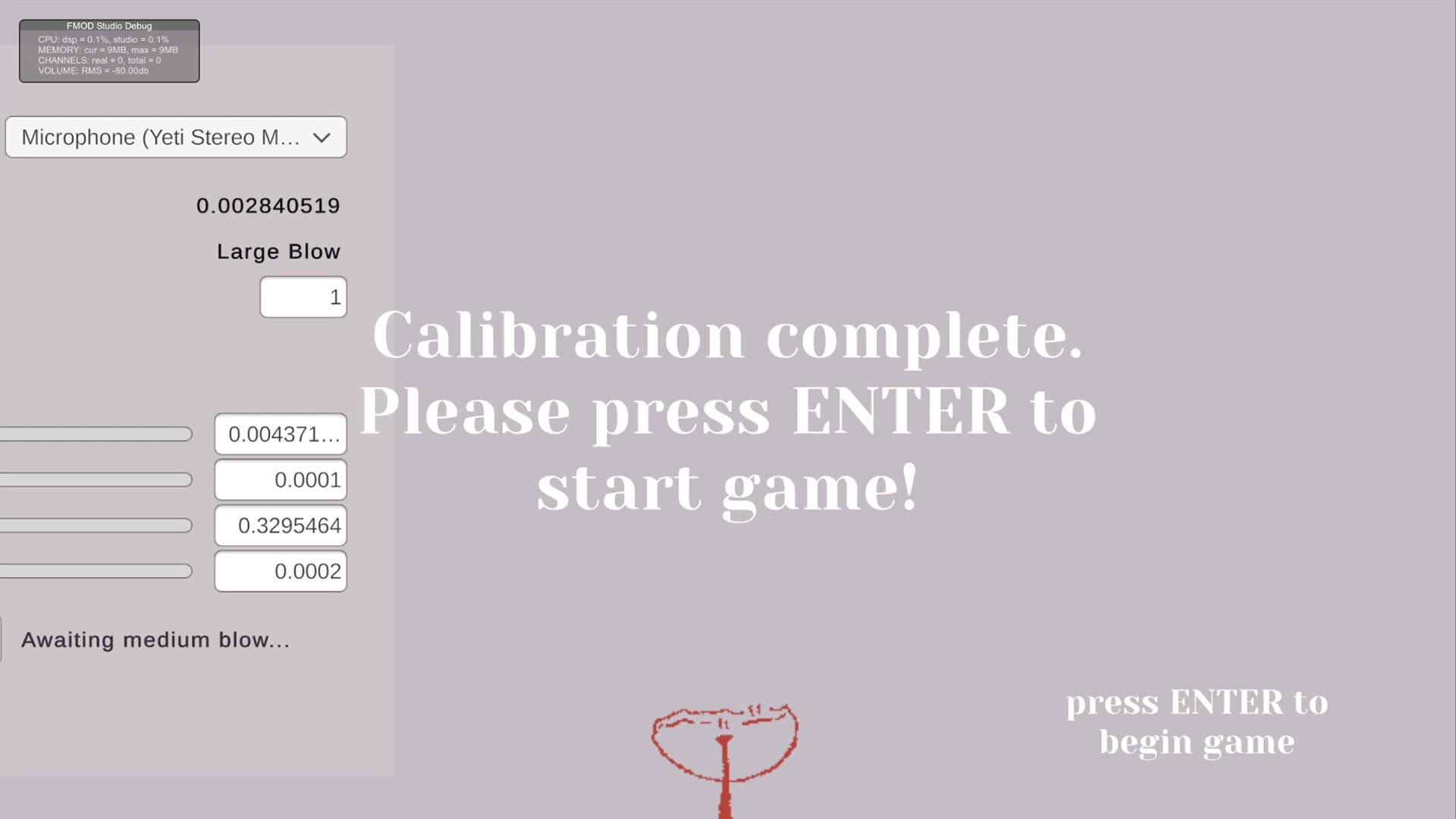
A debug build used during testing to check mic calibration before a session. Confirming the mic was actually detecting input was one of the first gaps I flagged: nothing in the shipped build told players this was happening.
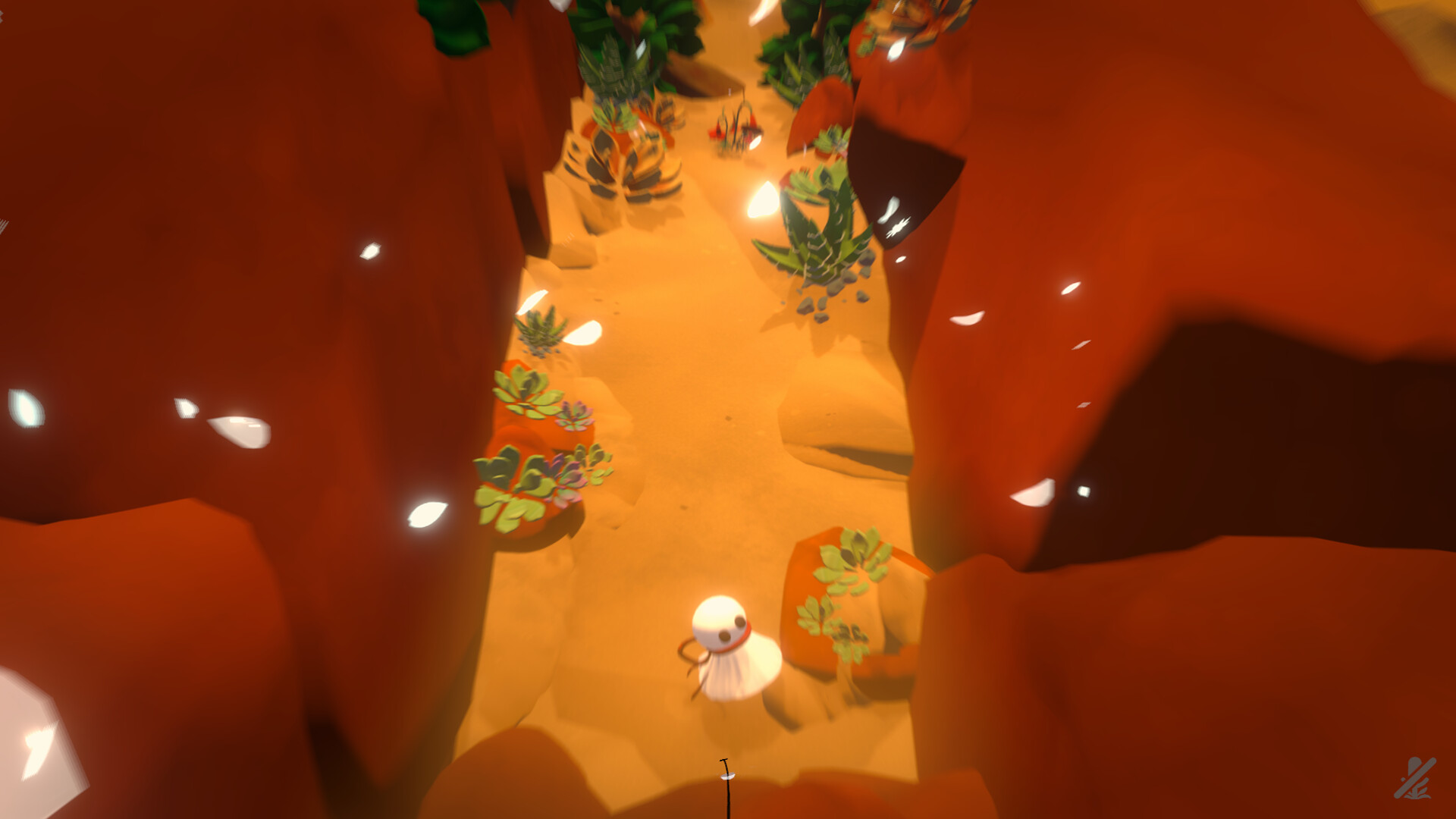
A narrow canyon stretch the Wisp moves through, one of the areas built around the breath mechanic's traversal puzzles.
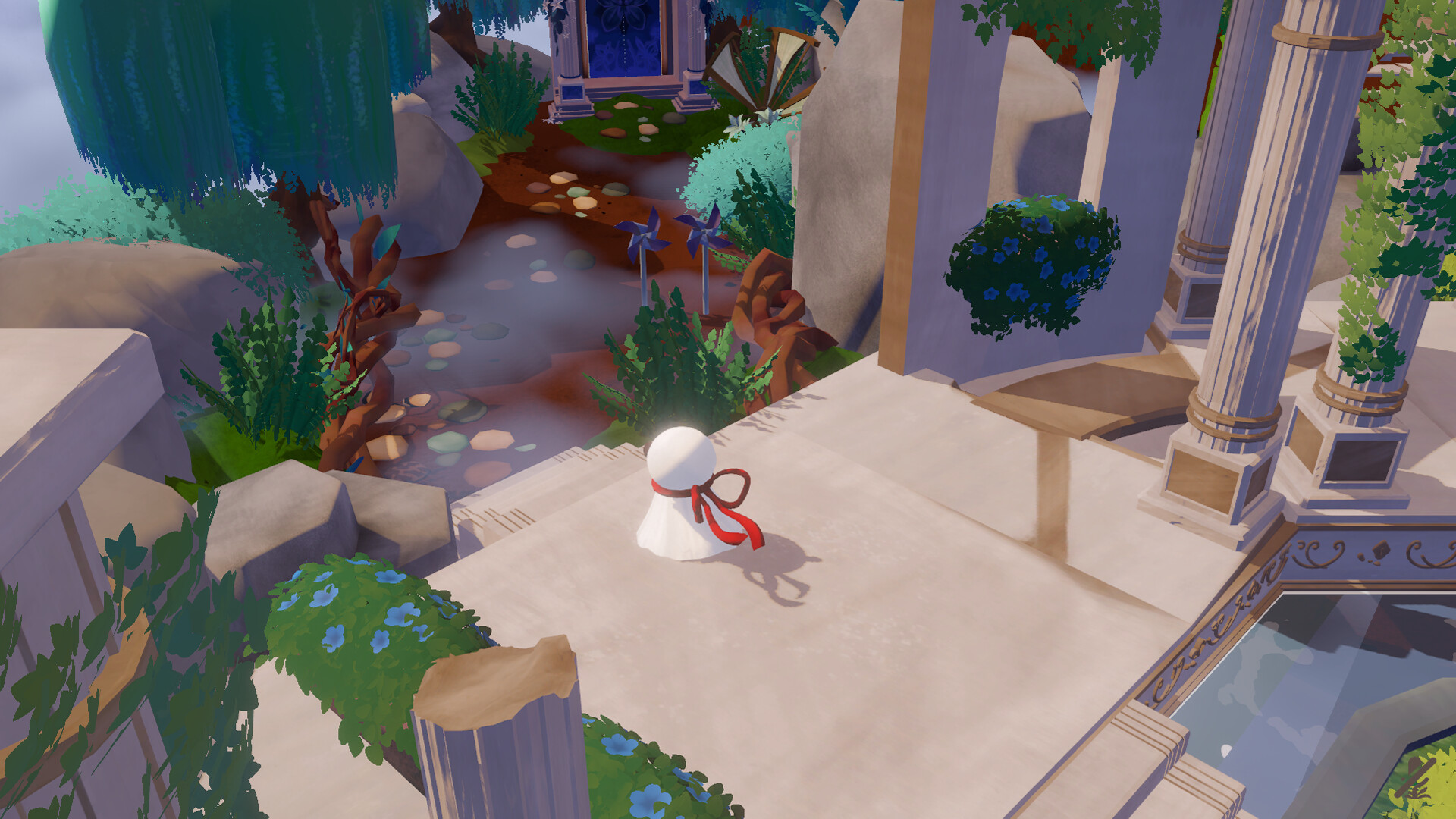
The Wisp overlooking a restored corner of the garden, near the temple ruins. Areas like this reward players who explore rather than rush through.
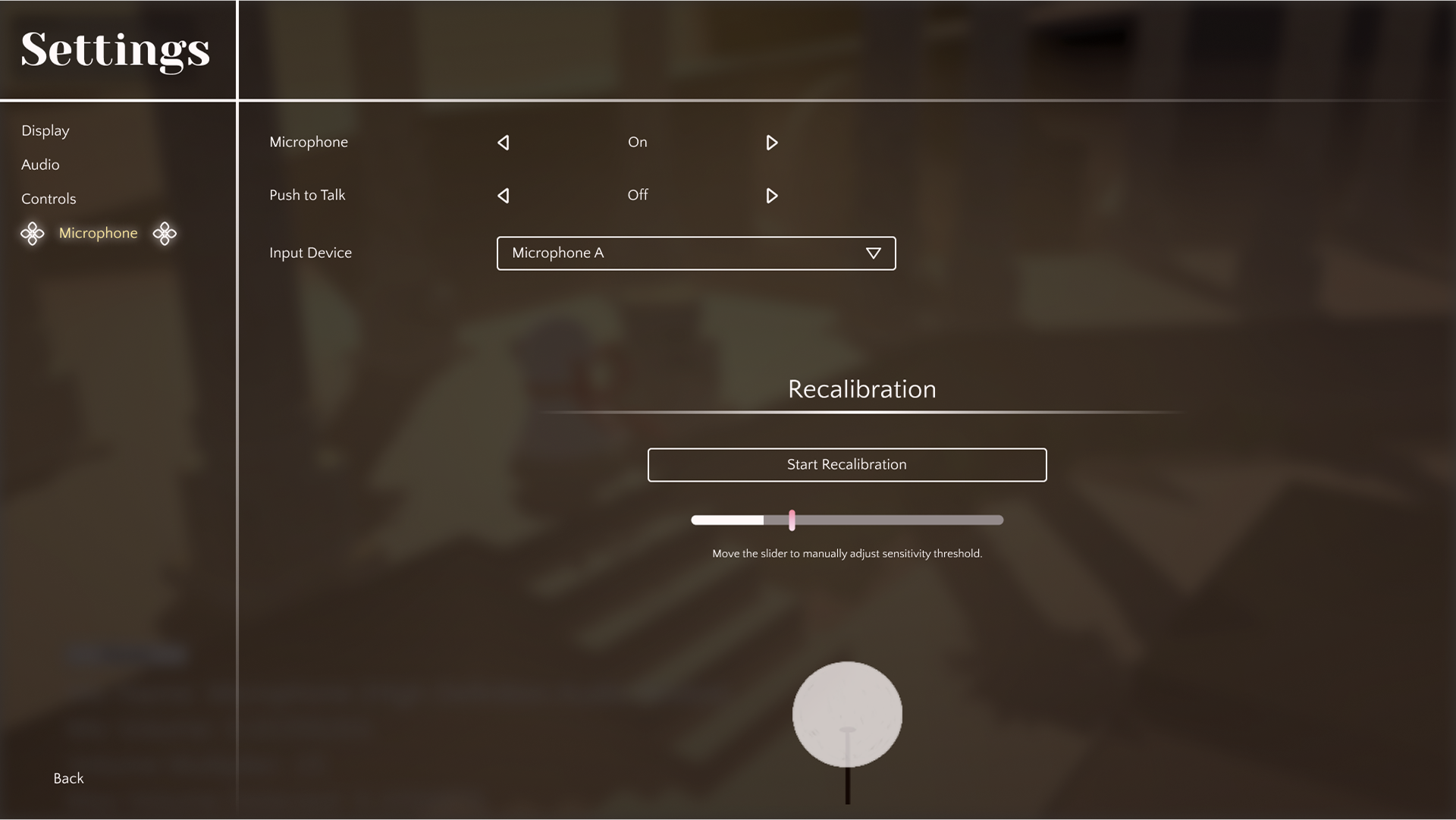
The recalibration flow and manual sensitivity slider that came out of testing feedback. The slider itself was later cut after players couldn't tell what it was actually measuring, one of the findings above.
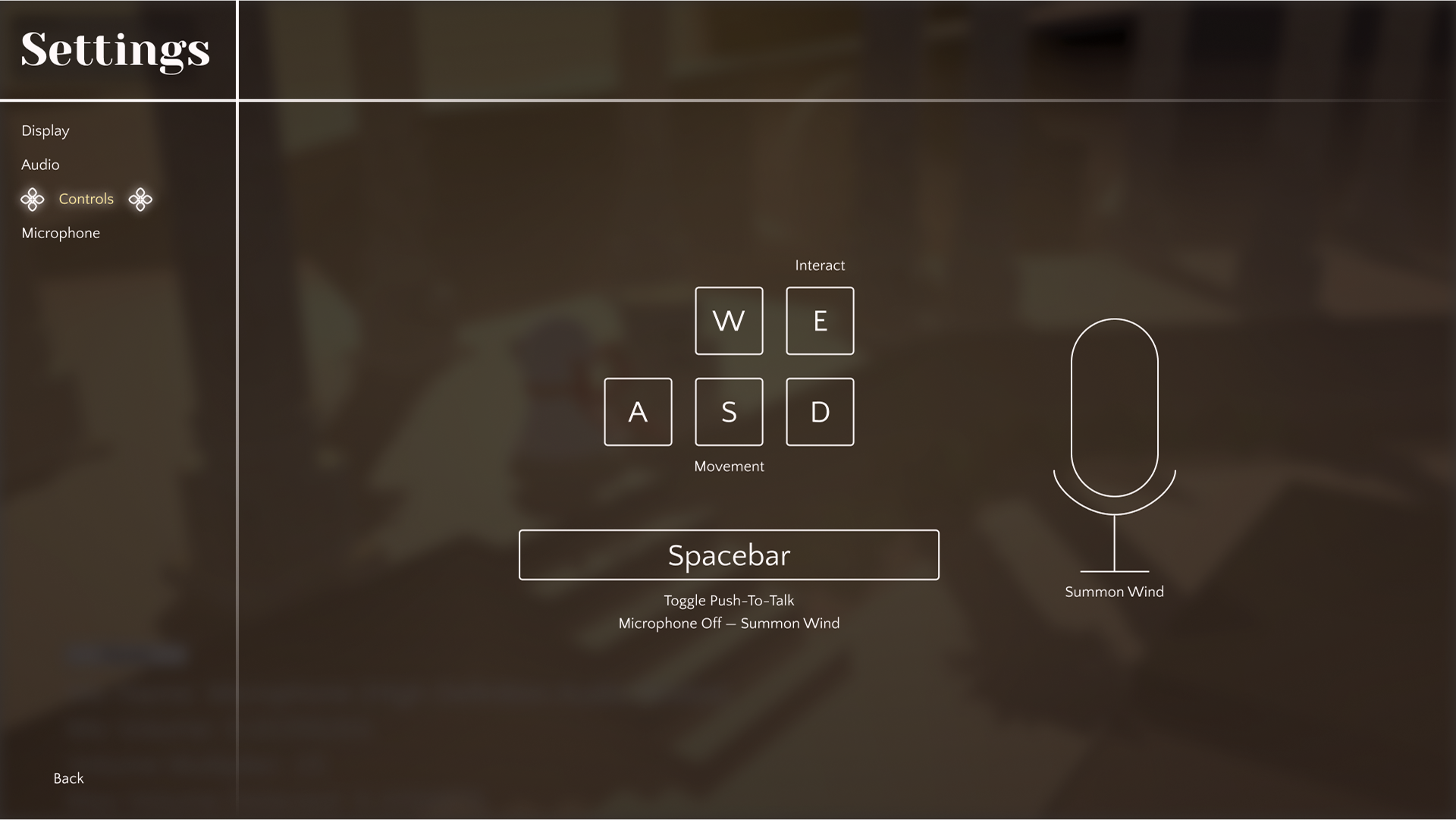
The controls screen laying out movement alongside the Summon Wind input, added partly to give players a place to actually learn the mic mechanic existed.
Testing a mechanic players have never seen before
I came onto this project as a UX advisor and usability/QA tester, filling in during the vertical slice after a schedule conflict left the role open. It wasn't the position I'd originally signed up for, but breath as an input method turned out to be a genuinely novel thing to test: there's no muscle memory for it, no existing mental model to map to, so a lot of the job was just watching closely for where players got stuck and making sure that made it back to the team.
Most of what I found came down to the same root cause: the mechanic itself worked, but nothing around it told players what to do or confirmed it was working. No onboarding, no feedback on mic detection, a sensitivity bar nobody could parse. Reporting those gaps, and suggesting fixes where I had them, was the most useful thing I could contribute given how I came into the project. It also reinforced for me how much of usability work is really about communication, between the player and the game, and between testers and the design team.