Uncovering where players got lost in the Refusal mechanic and emotional systems of a narrative tactics RPG
Usability Lead · Aug 2022–Sept 2023 · Available on Steam
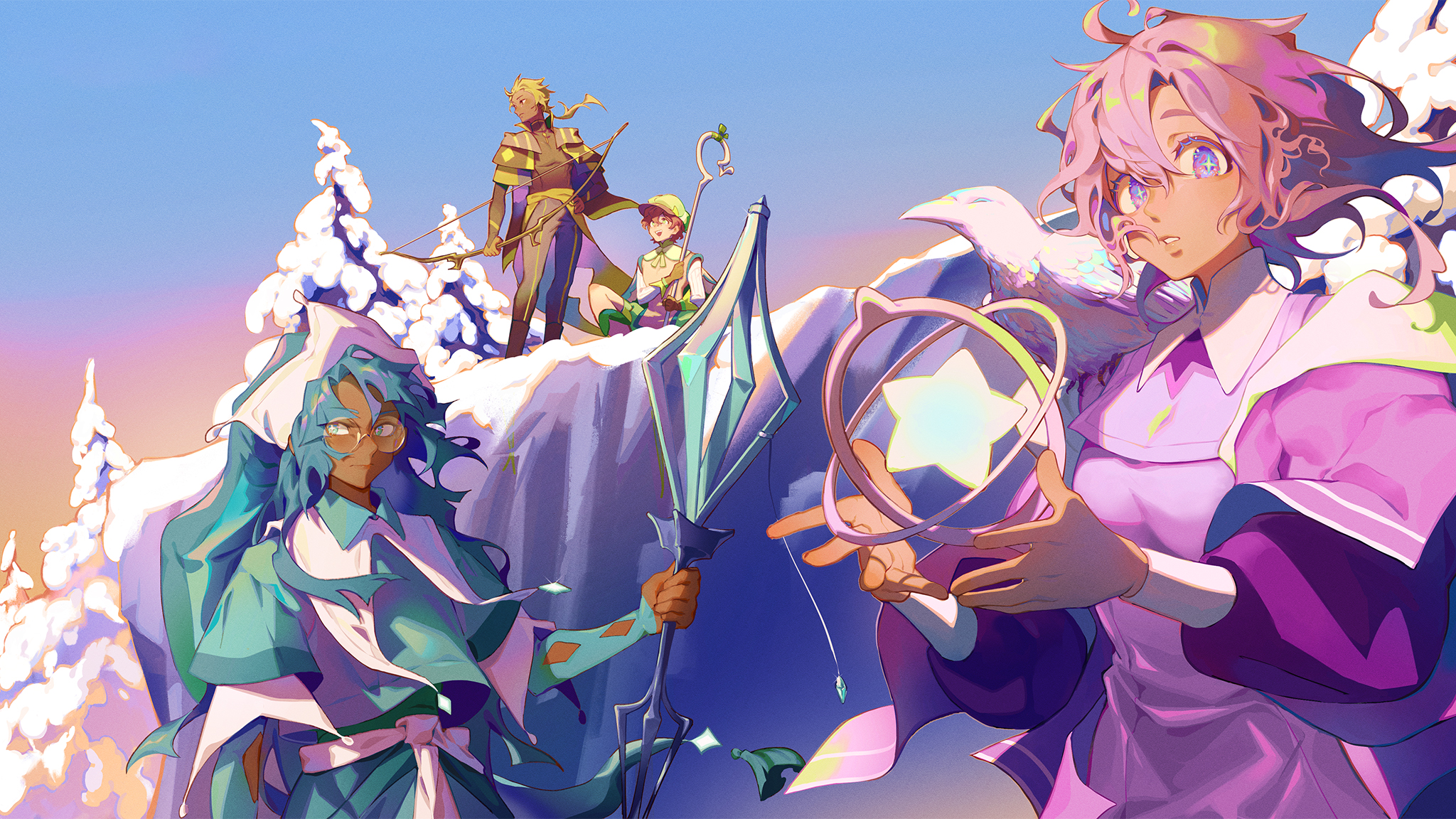
STARWEAVE is a squad-based, turn-based tactics game set in a world held hostage by prophecy. Players lead a party of companions through treacherous landscapes of destiny, navigating both tactical combat and the bonds between characters whose fates are deeply intertwined. The journey is marked by camaraderie, loss, and defiance against an inescapable cycle. At its core is the Refusal mechanic: characters may resist their prescribed roles, disobeying commands based on their own personalities and circumstances, forcing players to grapple with the consequences of actions they didn't choose.
Usability lead for the vertical slice, and builder of its early UI before the team had a visual style to work from. I recruited playtesters, designed test sessions around the game's key systems and goals, observed and moderated sessions, and synthesized findings back to the development team to inform design decisions before final release.
Wireframing the UI before the team had a style
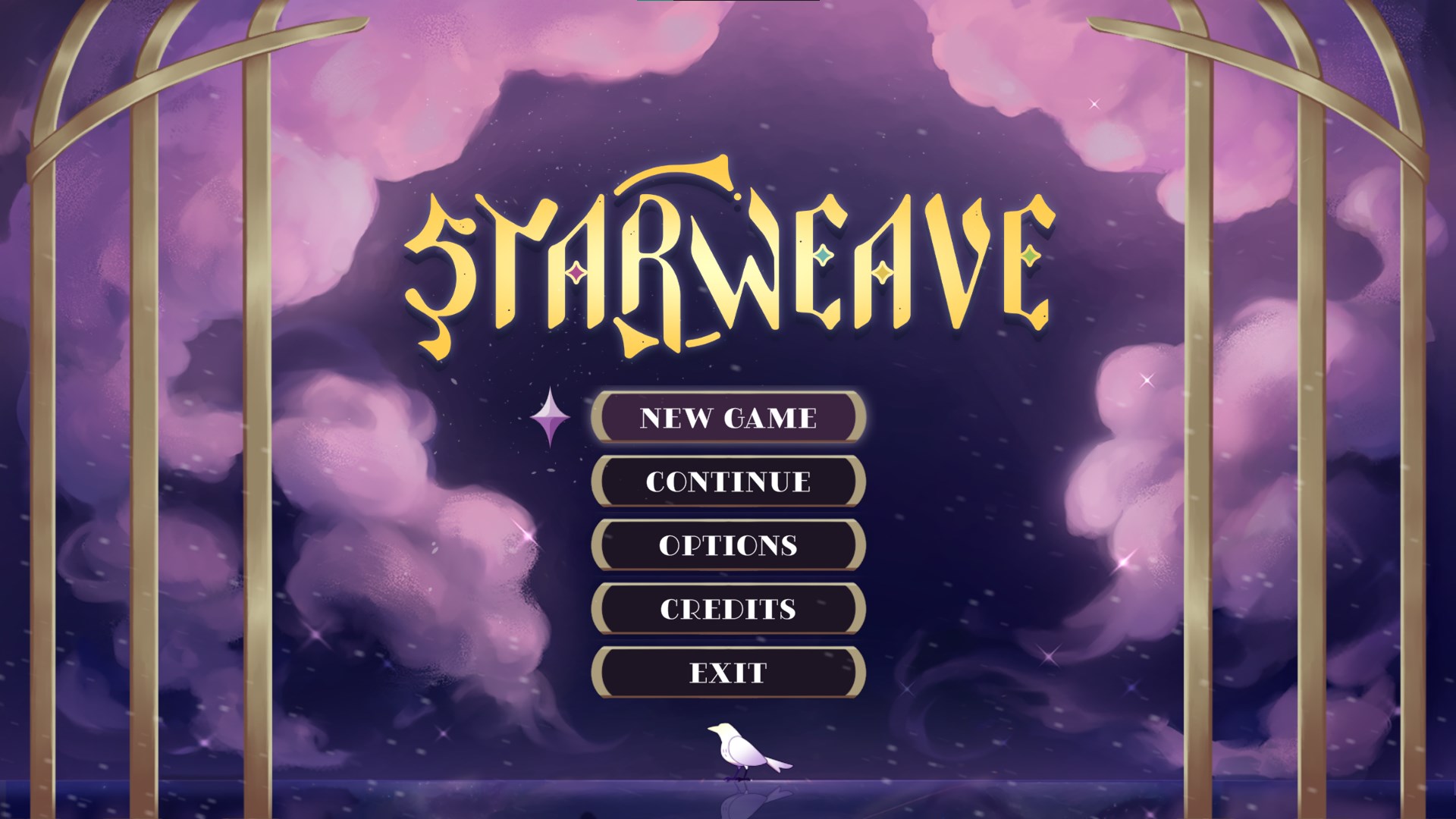
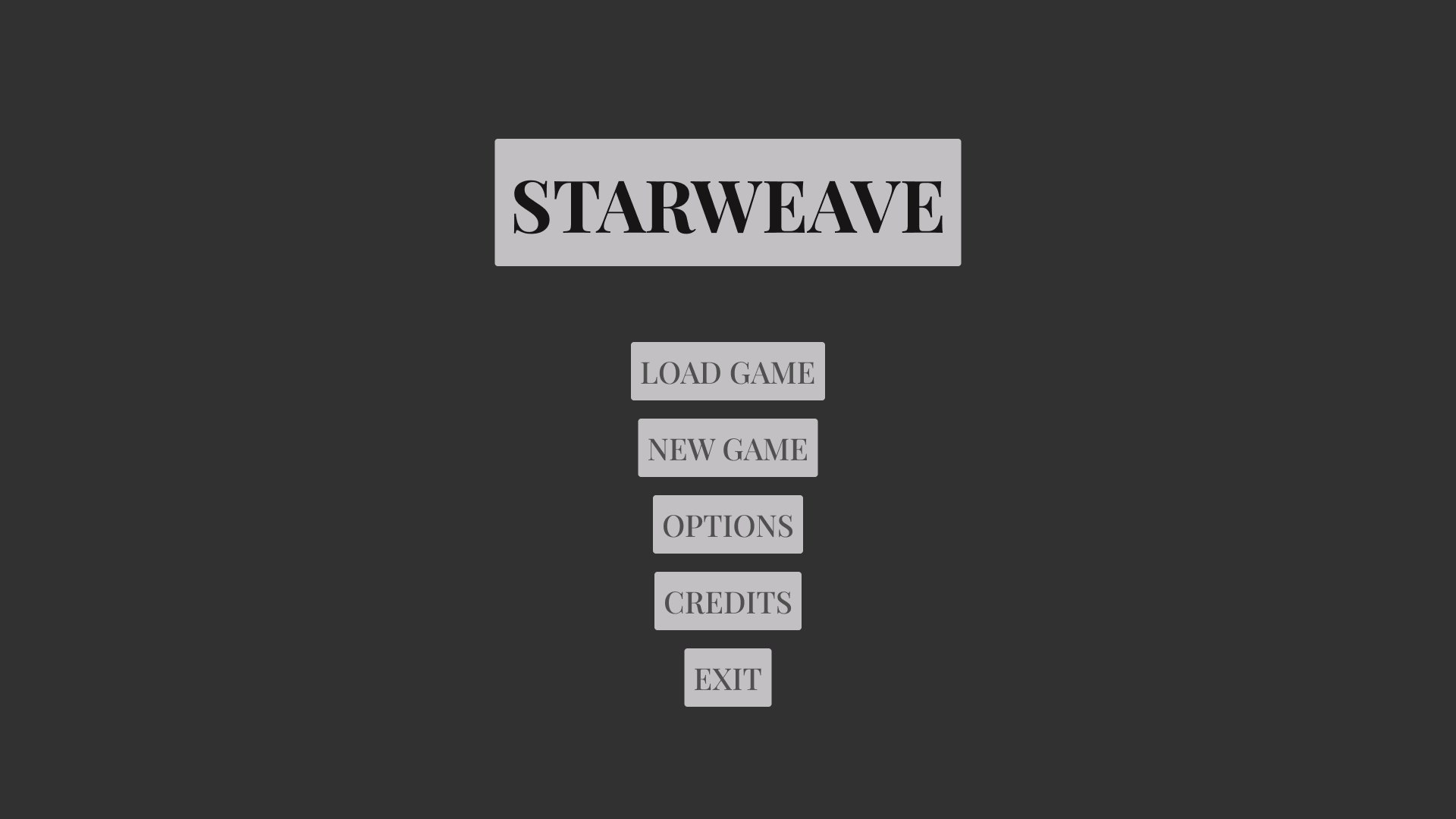
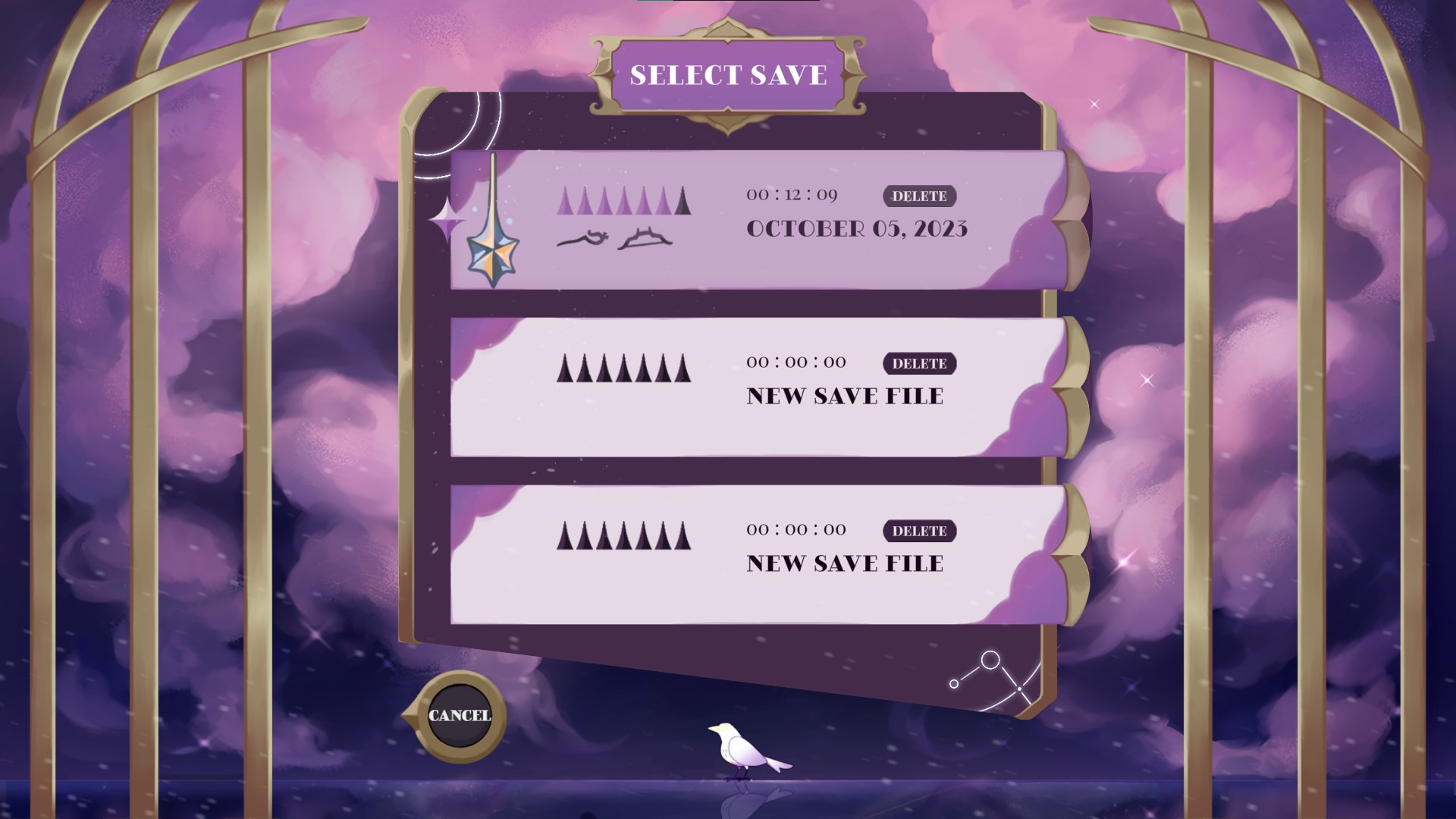
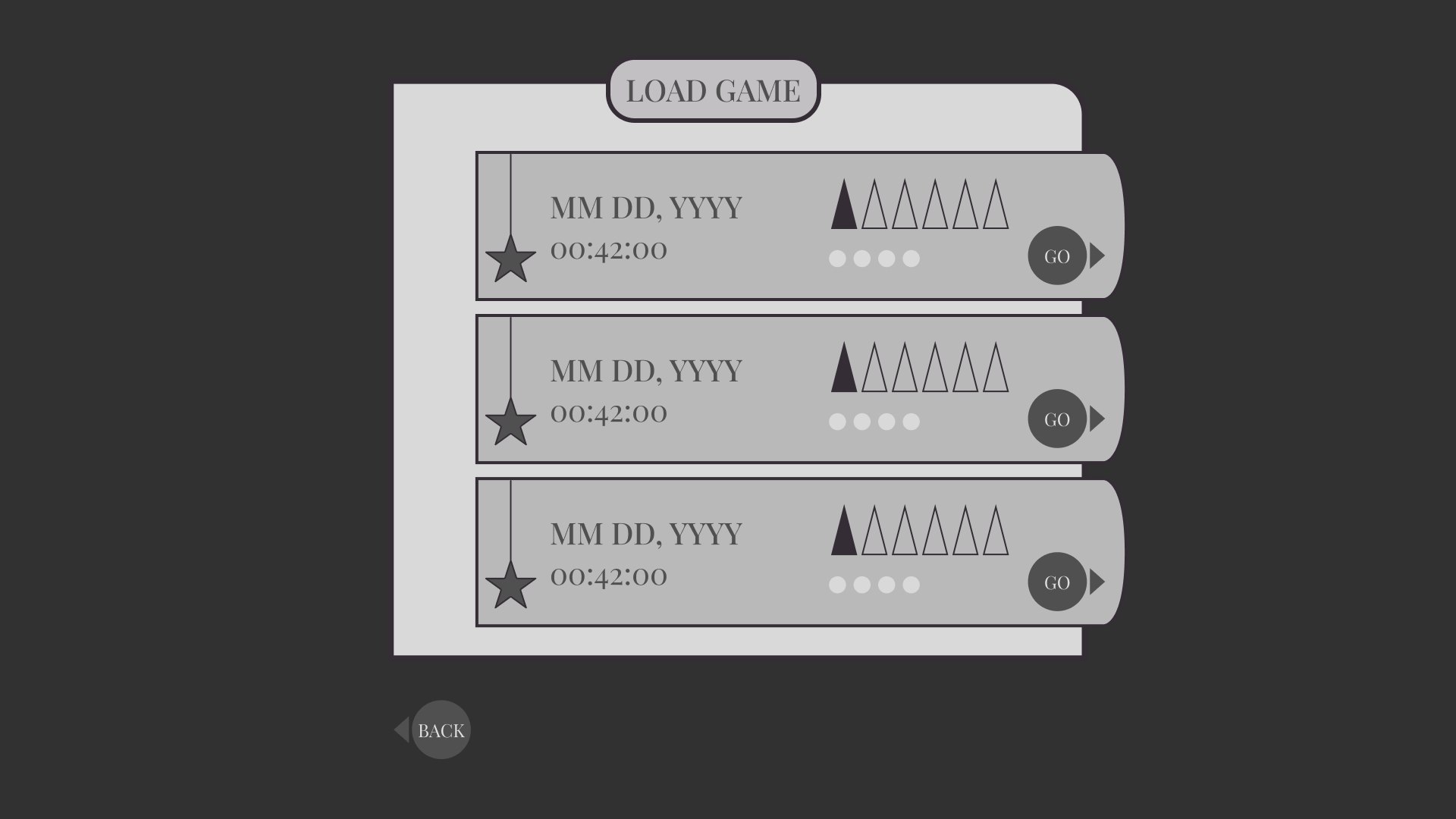
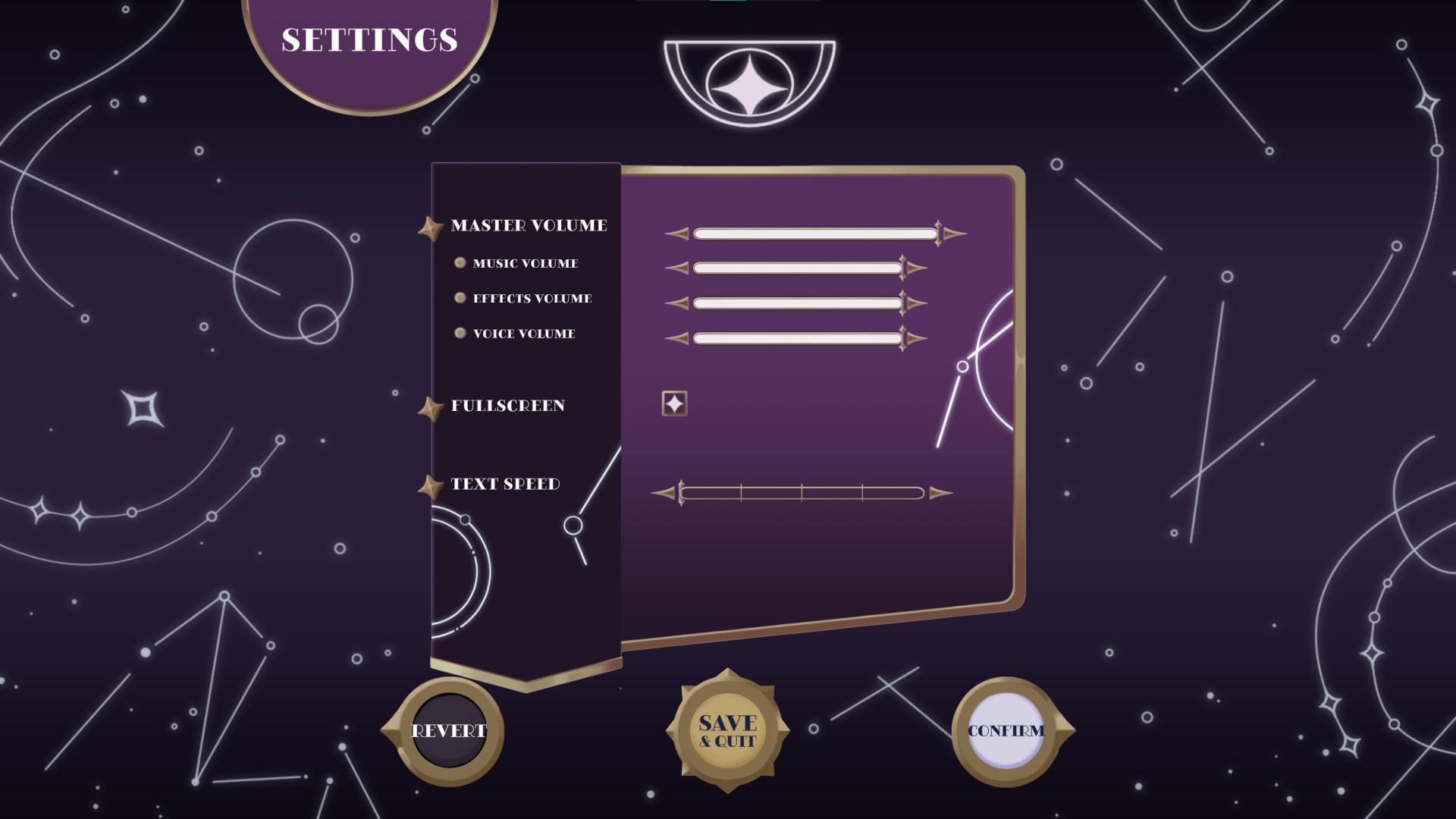
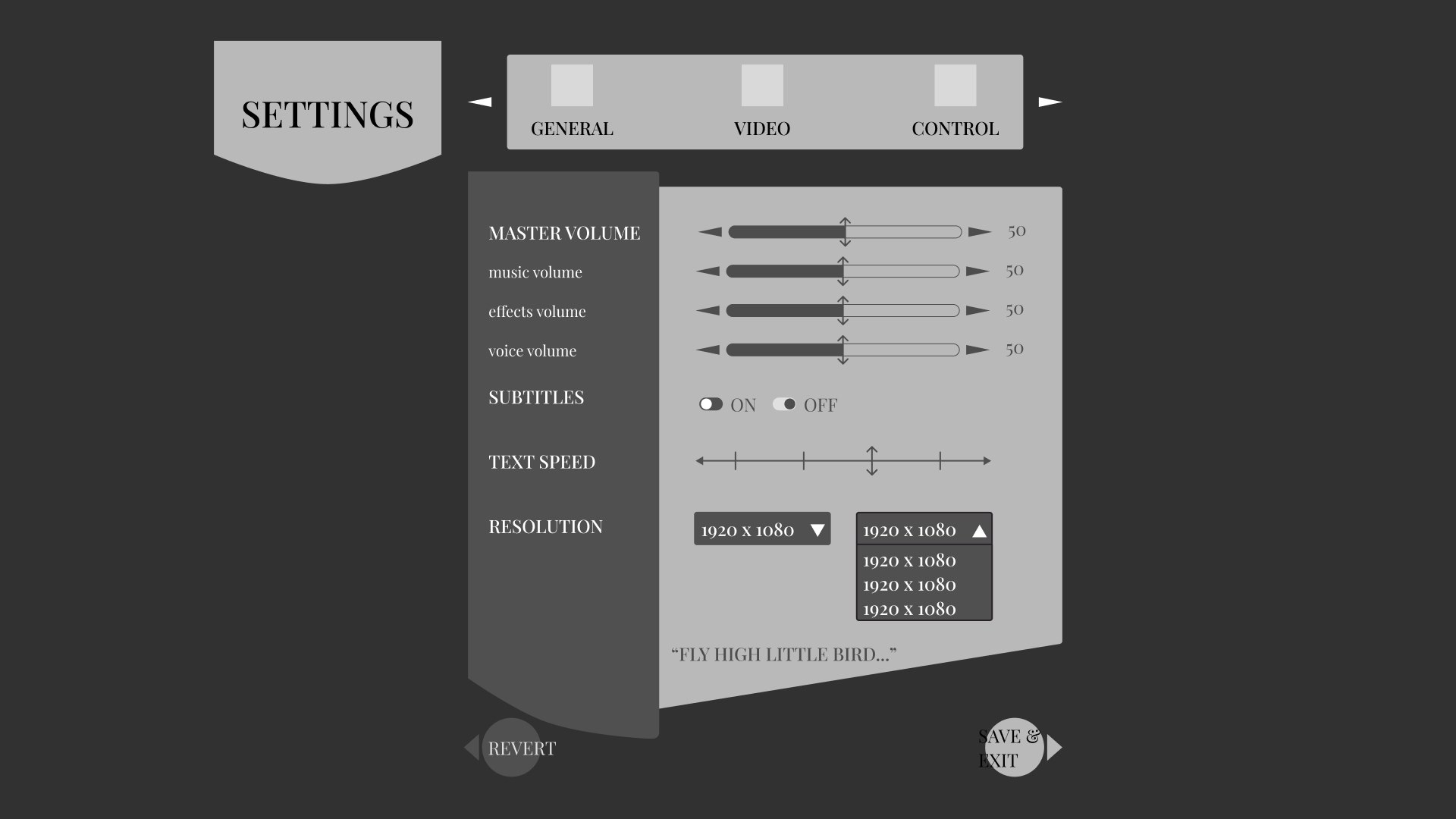
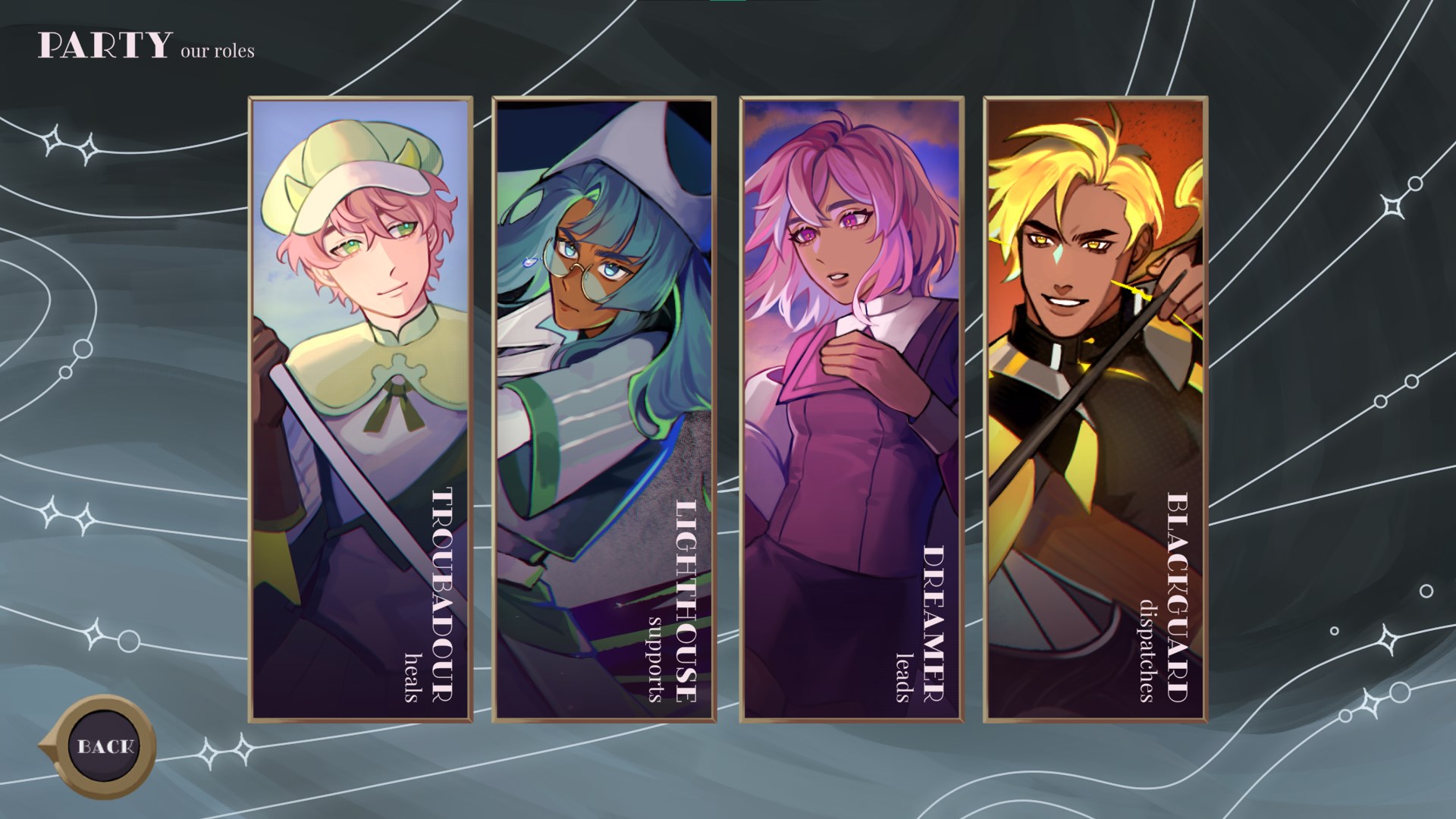
Before STARWEAVE had a color palette or an art direction for its interface, the vertical slice still needed a main menu, a save select screen, a settings panel, and a party screen that playtesters could actually use. I built those as lofi wireframes: grayscale layouts with placeholder type, meant to test flow and information hierarchy rather than look finished.
Drag each slider to see the temporary version playtesters actually used next to what the team eventually shipped, once the UI style and color palette were established later in development.
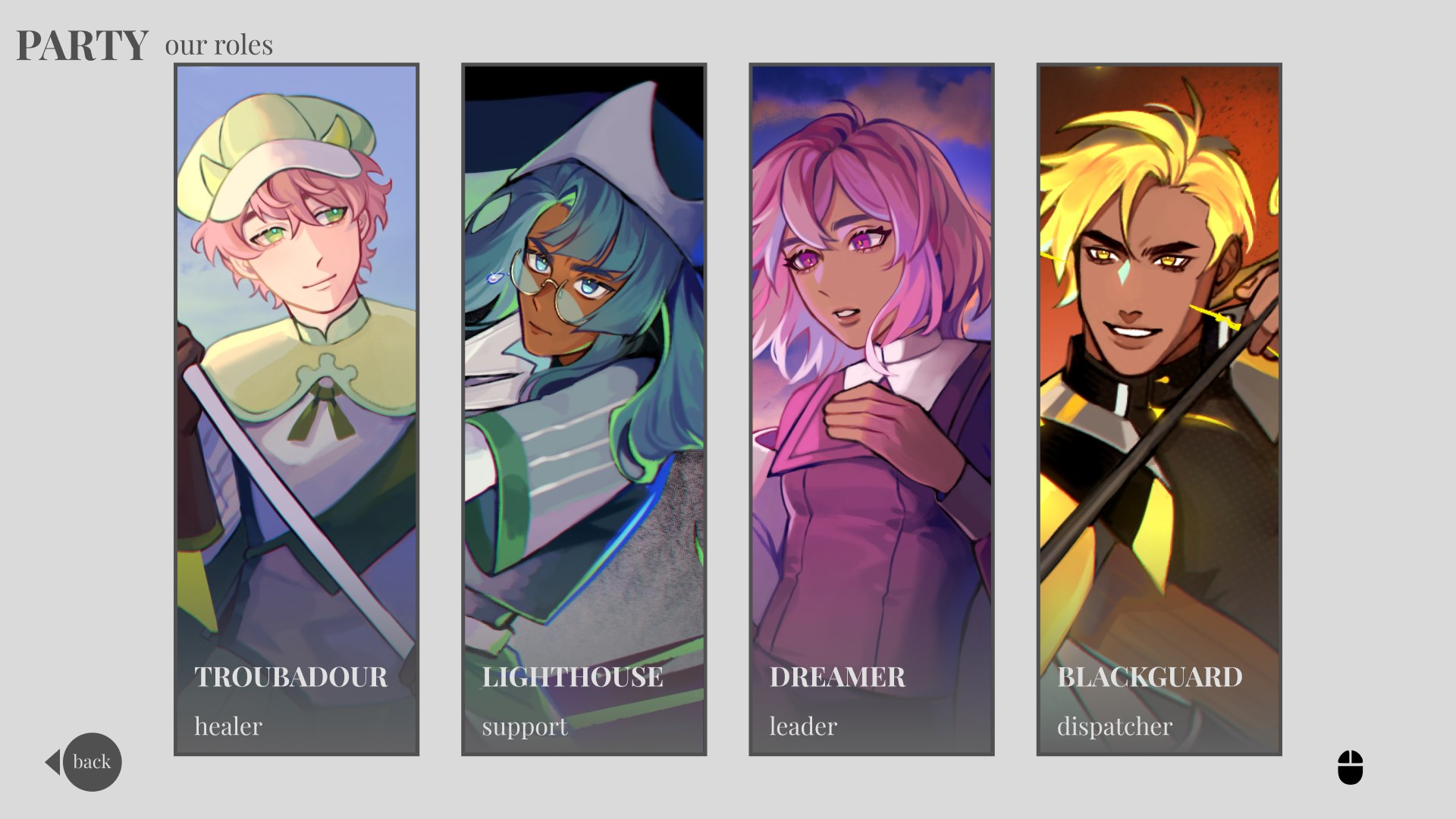
Testing core mechanics during the vertical slice
Playtesting during a vertical slice means the game is still being shaped. The goal wasn't to validate a finished product. It was to understand where players got lost, what made them feel something, and what needed to change before it was too late to change it.
The moments testing was built around
Combat, character bonds, the world between encounters, and the story beats tied to the Refusal mechanic: the gameplay moments that came up again and again across usability sessions.
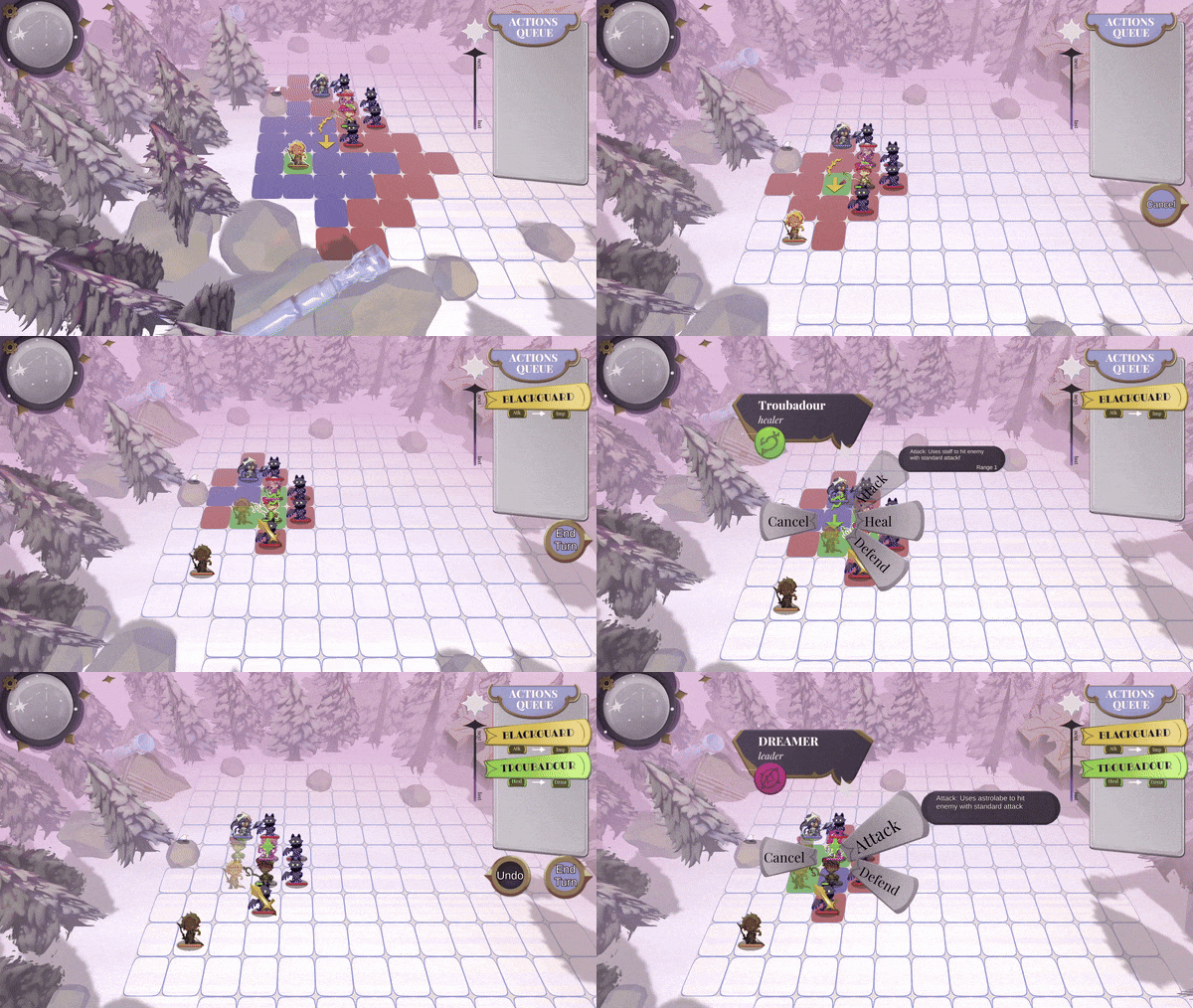
Squad-based, turn-based combat where every decision counts. The UI needs to communicate tactical options clearly under pressure, making readability a key usability focus during testing.
Bonding moments between party members whose lives are intertwined. Character relationships are central to the experience, and testing explored whether players were connecting with the cast and following the emotional thread of the story.
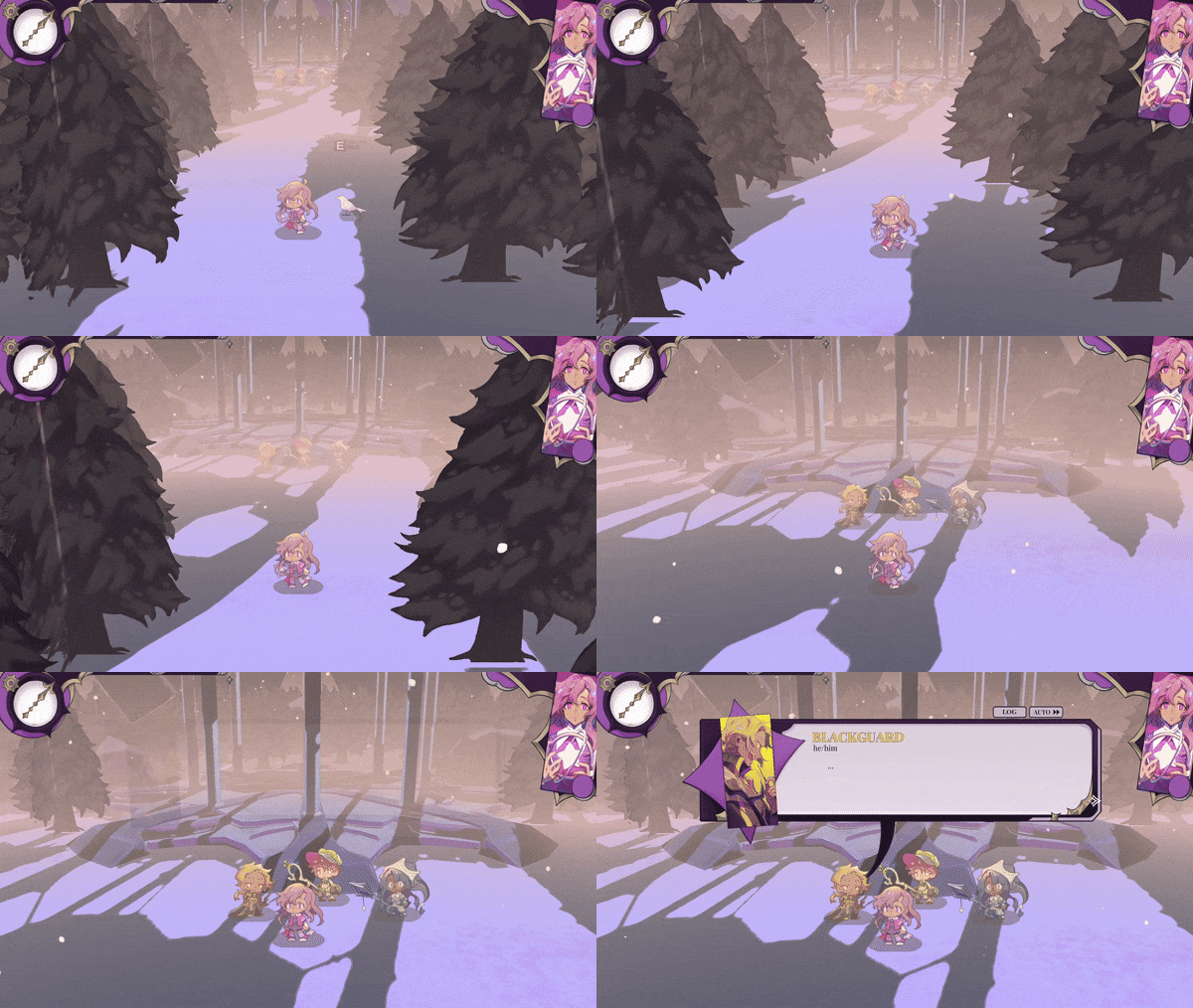
The dream-like world players navigate between encounters. Pacing and orientation testing focused on whether players felt grounded in the world, or simply lost along the way.
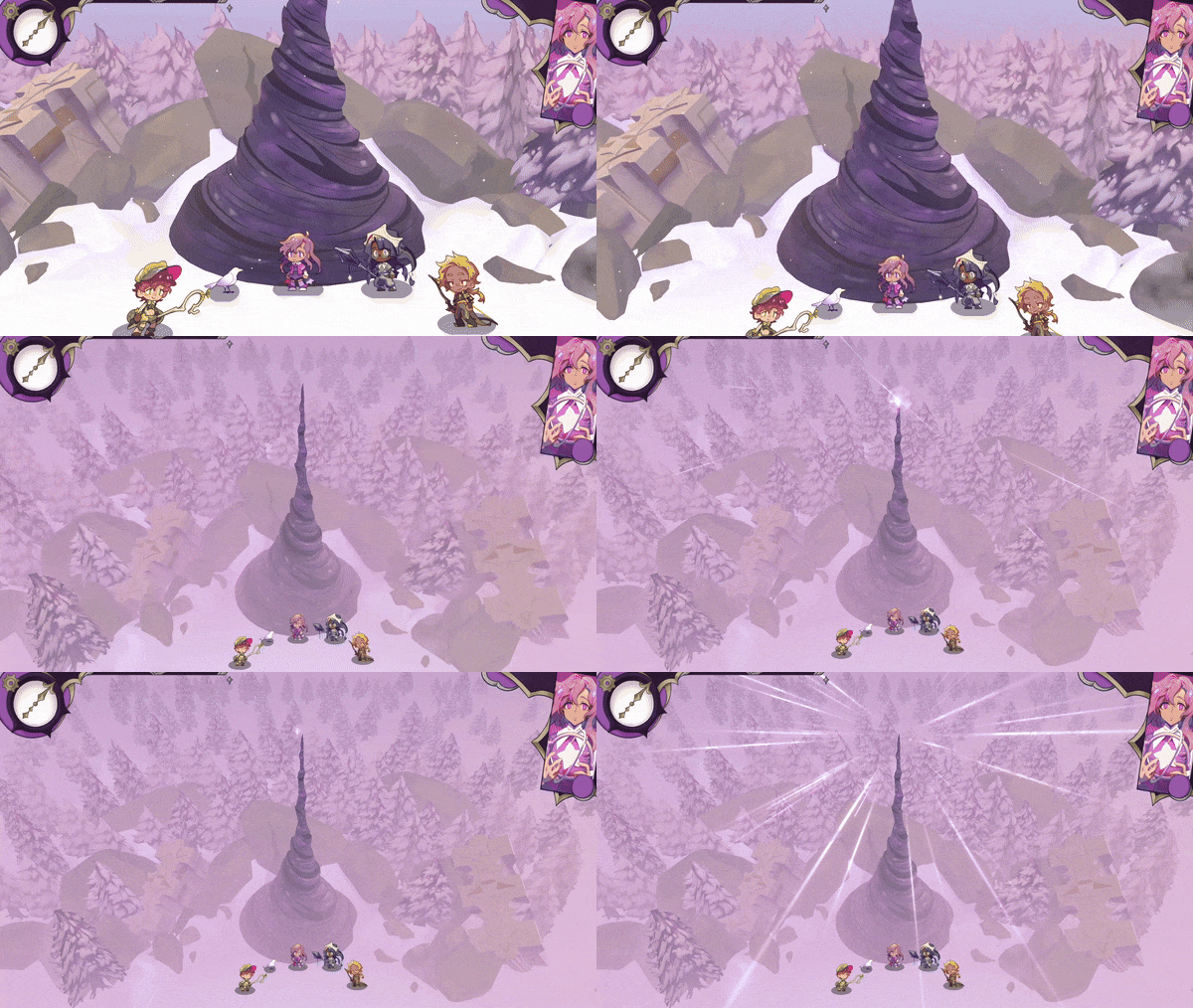
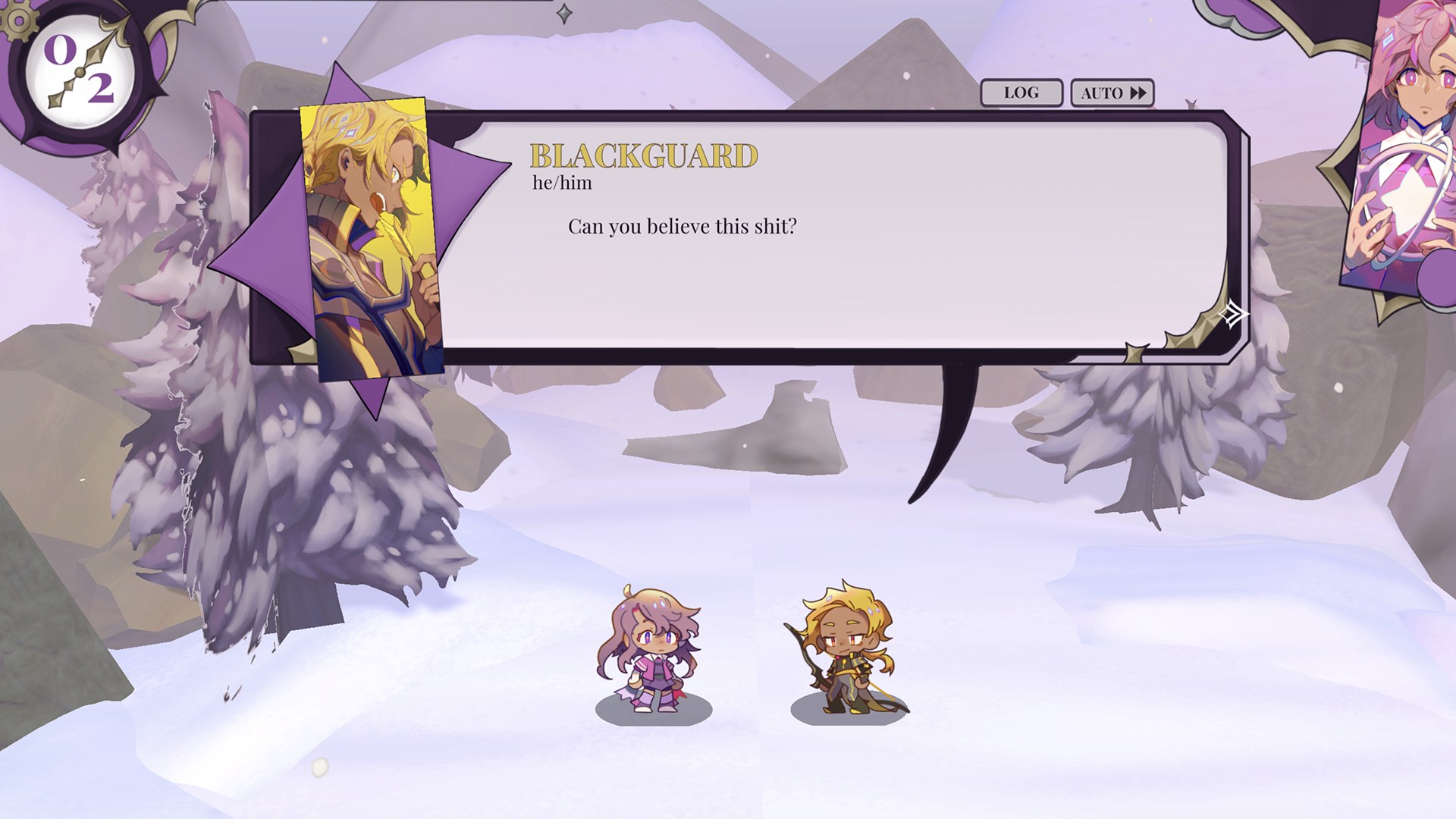
A key story sequence tied to the game's cycle of fate. Moments like these were tested for narrative clarity: did players understand the weight of what was happening, or did the pacing lose them?
What this taught me about UX design
The biggest thing I took away from STARWEAVE was how much of game balance comes down to trial and error. The Refusal mechanic only works if players can still learn and navigate the level designs and character limitations they're given, and getting that balance right took many rounds of testing and tuning: watching for where players felt appropriately challenged versus where they just felt lost or unfairly boxed in.
I joined the team after the core game design loop and player experience were already established, so my time was spent putting the UI flows together and handing them off for the UI artist to build on. The harder part of the role was running usability testing every week and turning what I observed into patch notes and updates that actually helped the engineers between builds.
This was my first MFA project, and being usability lead let me bring my UX design background into game development. It gave me a real taste of how much that background can shape whether a game is actually enjoyable to play, and I'm excited to keep exploring that in future projects.